
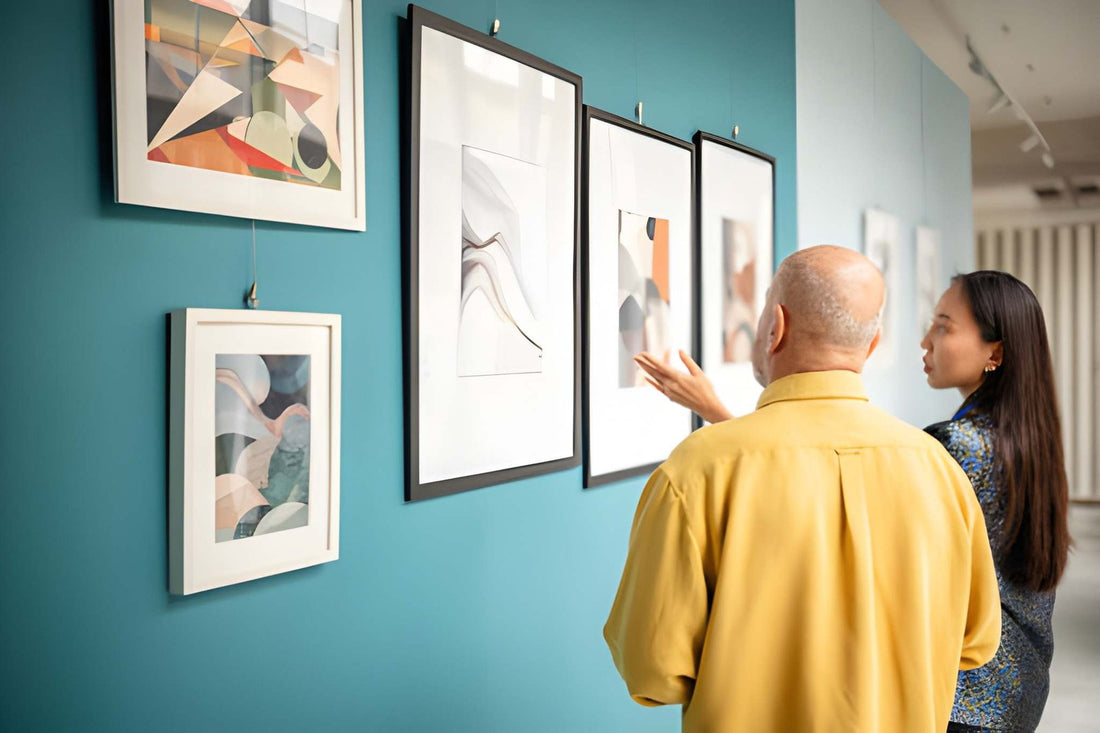
More independent artists in Singapore are taking the lead, curating their own showcases and taking full control of how their work is presented and experienced. While this offers creative freedom, organising an art exhibition without a solid plan can get overwhelming fast.
From setting a budget and picking the venue to naili promotion and logistics, there are many details that need careful coordination. When these elements are not planned strategically, your art show may experience reduced visitor turnout and compromised display quality, which can impact your professional reputation.
By defining your theme, mapping out expenses early, shortlisting suitable venues, and creating a promotional timeline well in advance, you can organise a memorable art exhibition that not only showcases your art beautifully but also elevates your career.
Steps to Organise an Art Exhibition
From the first concept planning to opening night, each step plays a vital role in delivering a successful exhibition. Here is how to make it happen:
1. Set Clear Goals and Develop a Strong Concept
Before you plan the finer details of your exhibition, establish a strong creative direction that guides every decision from start to finish.
- Define Your Purpose: What’s the message? Are you sparking a conversation, reflecting on a journey, or launching a new style? Clear goals help you curate with intent.
- Craft a Synopsis: Once your direction is defined, write a compelling synopsis that explains your exhibition theme and artistic vision. This will be the backbone of your marketing materials.
- Seek Constructive Feedback: Invite trusted peers or mentors to review your concept. Fresh perspectives can highlight areas for improvement and help refine your ideas before you set up the art exhibition.
- Ensure Accessibility: Make sure your message is accessible, even to visitors unfamiliar with your art.
2. Create a Detailed Timeline
After defining your exhibition concept, the next step is to create a timeline that maps out your entire planning journey.
- List Every Task: Outline every task required, from early preparation to post-exhibition wrap-up. This should include planning milestones, marketing preparation, artwork readiness, installation, and follow-up activities after the event concludes.
- Schedule Venue Coordination and Floor Planning: Allocate time within your timeline to coordinate with the venue team, conduct site visits, and draft a clear floor plan.
- Plan Artwork Production and Finishing: Map out deadlines for artwork completion, framing, and final touches.
- Organise Installation and Dismantling Windows: Include specific time slots for installation, transport arrangements, and dismantling.
- Track Progress with Planning Tools: Use spreadsheets or project management platforms to monitor deadlines and responsibilities, keeping your exhibition planning structured.
3. Plan Your Budget
Planning a budget ensures your exhibition remains financially manageable while maintaining professional standards.
- Venue and Deposits: Allocate funds for venue rental, including security deposits and any additional charges for utilities or extended hours.
- Artwork Production Costs: Factor in expenses for materials, framing, printing, and finishing.
- Marketing Collateral: Set aside a budget for invitations, posters, catalogues, and other printed materials that support your exhibition promotion.
- Documentation Services: Also allocate funds for professional photography and videography to support documentation.
- Contingency Buffer: Reserve funds for unexpected costs.
- Equipment Rental: Where possible, consider renting display equipment or lighting instead of purchasing.
4. Choose the Right Exhibition Space
Selecting the right venue to host your exhibition is crucial to shaping how your art is experienced.
- Traditional Gallery Spaces: Established art galleries offer professional exposure, curated environments, and access to existing audiences. They are ideal if you aim to position your exhibition within a formal setting.
- Alternative Venue Options: Consider pop-ups, cafés, coworking spaces, or public areas to connect with diverse audiences in a more relaxed atmosphere.
- Virtual or Hybrid Formats: Virtual or hybrid exhibitions make your art accessible to a wider audience while complementing a physical showcase.
5. Prepare Artwork and Professional Exhibition Collaterals
With the venue confirmed, it’s time to prep the "tangibles."
- Complete and Frame All Artworks: Ensure every piece is finalised, properly framed, and ready for display well before installation day.
- Create Clear Labels and Statements: Prepare clear labels and artist statements for each piece to help visitors understand your creative intent and engage more deeply with your exhibition.
- Print Professional Promotional Materials: Invest in professionally designed catalogues, invitations, and signage to strengthen your presentation, add credibility and leave a lasting impression.
- Maintain Consistent Branding: Keep typography, layout, and visual identity consistent across all collaterals to improve recognition and reinforce your artistic identity.
6. Manage Logistics Efficiently
Careful logistical planning ensures your art arrives safely and is ready for setup at your exhibition venue.
- Secure Proper Packaging: Protect your artworks with sturdy, high-quality packaging to prevent damage during handling and transport. Using appropriate wrapping and padding safeguards both framed and unframed pieces.
- Coordinate Transport and Delivery: Arrange transport schedules and coordinate delivery timings with the venue team.
- Confirm Installation Access: Verify installation dates, access hours, and any venue guidelines in advance to avoid any unnecessary disruptions.
- Prepare Backup Supplies: Keep essential tools and spare materials on hand to handle unexpected technical or display issues.
7. Develop a Strong Marketing and Promotion Strategy
A well-planned marketing strategy builds anticipation, attracts the right audience, and increases attendance at your exhibition.
- Create Teaser Content: Generate excitement by sharing teaser visuals and behind-the-scenes previews of your art in progress.
- Leverage Social Media Platforms: Use Instagram, TikTok, and LinkedIn to connect with diverse audiences. Tailor your content to each platform to maximise reach and interaction.
- Send Targeted Invitations: Invite collectors, curators, galleries, and loyal supporters directly. Personalised outreach increases the likelihood of meaningful attendance.
- Provide Clear Event Information: Share accurate details, including the date, time, venue, RSVP links, and preview images of your exhibition, so guests can plan their visit.
- Engage Media and Event Listings: Reach out to local art blogs and cultural event platforms to boost your visibility.
8. Plan Installation and Visual Impact
Make your exhibition an active experience rather than a passive one.
- Create a Logical Visitor Flow: Design a clear layout that guides visitors through your artistic narrative. This will enhance engagement and storytelling.
- Optimise Lighting and Spacing: Consider lighting angles, spacing between pieces, and comfortable viewing distances to highlight details and elevate presentation quality.
- Prioritise Accessibility and Comfort: Ensure pathways are accessible and the environment feels welcoming, encouraging visitors to spend more time engaging with your art.
- Install a Professional Exhibition Backdrop: Include a backdrop featuring your exhibition title or key visual, and use it for opening-night photography and media coverage, as well as print and digital advertising. To ensure printing quality is sharp, colours are vibrant, and materials are durable, partner with a reliable printing company in Singapore, such as Doorstep Prints, for professional results, premium materials, and timely delivery.
9. Enhance Visitor Engagement
An engaging exhibition encourages visitors to connect more deeply with your art and leaves a lasting impression beyond the viewing experience.
- Share Your Creative Insights: Take time during the exhibition to speak about your inspiration, techniques, and artistic journey to help audiences understand your work.
- Encourage Conversations: Create opportunities for dialogue by welcoming questions and discussions. This will help you build stronger connections with collectors, curators, and supporters.
- Incorporate Interactive Elements: Consider a live demo, a small feedback wall, or a screen showing your creative process.
- Design a Dedicated Photo Area: Set up a visually appealing photo spot and promote an official event hashtag. This encourages social sharing, increases online visibility, and extends your art show’s reach beyond the physical space.
10. Arrange Professional Documentation
Professional documentation preserves the impact of your exhibition and supports your artistic growth long after it concludes.
- Document the Exhibition: Capture high-quality photos and videos of the exhibition space, displayed artworks, and opening-night highlights, including guest interactions, speeches, and audience engagement, to showcase atmosphere and credibility.
- Leverage Content for Future Opportunities: Use these high-quality images for your portfolio, grant applications, and future gallery submissions.
Make Your Art Exhibition Stand Out with Doorstep Prints

While curating compelling art is essential, professionally printed promotional materials play an equally important role in strengthening your visual branding and networking impact.
From flyers that build anticipation to business cards that support networking to backdrops that enhance media presence, cohesive, high-quality materials ensure your exhibition feels polished and memorable.
To bring this vision together, partner with Doorstep Prints. With professional printing services in Singapore, we support artists with fast turnaround times, premium materials, and free delivery for added convenience.
Planning your next art exhibition? Get in touch with us today to print an exhibition fabric backdrop in Singapore or other promotional materials.